If you have looked at a natal chart and felt overwhelmed by the diagrams, symbols, and ten different planets all doing different things at once - start here. The Big Three is the fastest way into your chart that actually gives you useful information.
The Big Three are: your QSun sign, your WMoon sign, and your Ascendant (also called Rising sign). Together they cover the three most fundamental layers of who you are: core identity, inner emotional life, and outward presentation.
This piece explains what each one means, why they often disagree with each other, and how to read your own Big Three before going deeper into the chart.
- →Sun = who you are becoming. Moon = who you already are. Ascendant = how you arrive
- →You need all three to read a chart — not just the Sun sign
- →Ascendant requires birth time accurate to the hour
Your Sun is who you become. Your Moon is who you already are. Your Ascendant is who they meet first.
Why "the Big Three"
The phrase comes from professional astrologers giving newcomers a starting framework. The Sun, Moon, and Ascendant cover three distinct dimensions:
- Sun = who you fundamentally are
- Moon = how you feel and what you need emotionally
- Ascendant = how the world meets you first
Most people only know their Sun sign because that is what newspaper horoscopes use. That is why those horoscopes feel vague or wrong - they are using one of three pieces and ignoring the other two.
When all three pieces are visible, the picture sharpens dramatically. A Leo Sun, Pisces Moon, Capricorn Rising is a completely different person than a Leo Sun, Leo Moon, Leo Rising - even though both are "Leos" by the standard horoscope definition.
Your Sun sign: who you fundamentally are
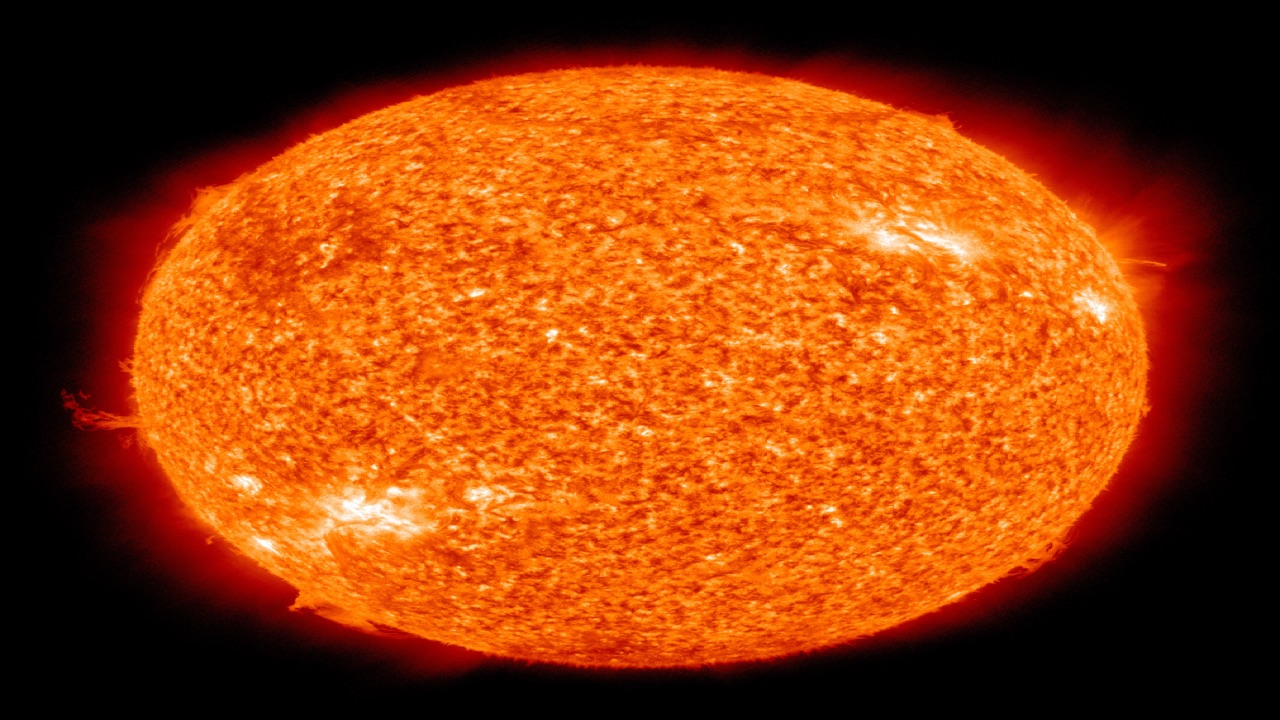
The Sun is the center of the chart in every sense. It represents your core identity - the "you" that persists across moods, relationships, and life phases.
Your Sun sign is determined by where the Sun was in the zodiac when you were born. This is the easy part: it changes once a month and most people know it from birthday alone.
What the Sun describes:
- Core values and what you find meaningful
- The direction your life energy naturally moves
- What gives you a sense of purpose when working well
- What you assert when pushed
What the Sun is not:
- Your full personality (the Moon handles a lot of that)
- How you appear in first impressions (Ascendant handles that)
- A complete picture of you (you have ten planets, not one)
A Leo Sun loves attention and creative expression. A vCapricorn Sun is built around long-term goals and structure. A cPisces Sun lives in feelings and imagination. These descriptions are real, but they are only one layer.
When the Sun is well-supported by the rest of the chart, you feel like yourself. When it is not, you feel like you are wearing someone else's life - even if you cannot articulate why.
Your Moon sign: how you feel and what you need
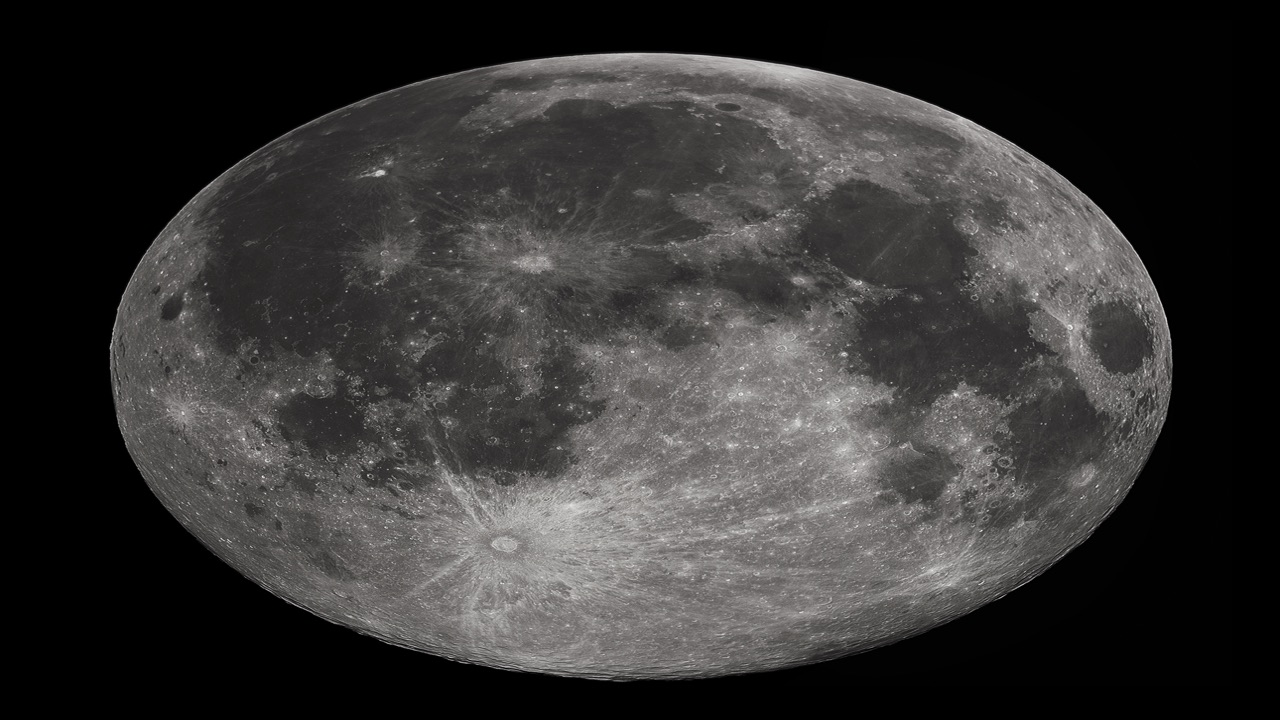
The Moon is the second most important point in the chart. It represents your inner emotional life - what you need to feel safe, what soothes you, how you process feelings, what makes you feel "at home."
Your Moon sign depends on where the Moon was in the zodiac at the moment of your birth. The Moon moves through one zodiac sign in roughly 2.5 days, so unlike the Sun, you cannot get this from birthday alone. You need date + time of birth.
What the Moon describes:
- Your default emotional reactions
- What makes you feel comforted vs uneasy
- What "home" means to you
- How you take care of yourself when stressed
- Your relationship to family, mothers, nurturing in general
A fCancer Moon needs emotional security, family closeness, and an actual home to retreat to. An xAquarius Moon needs intellectual space, distance from intense emotion, and the freedom to be unconventional. A kScorpio Moon needs depth, intensity, and the ability to feel things fully - small talk feels suffocating to them.
A common pattern: people often hide their Moon sign in public. The Sun is what you project outward. The Moon is what you actually feel when no one is watching. Knowing your Moon sign explains a lot of "why am I like this when I am alone."
Your Ascendant (Rising sign): how the world meets you
The Ascendant is the zodiac sign that was rising on the eastern horizon at the moment of your birth. Unlike Sun and Moon, the Ascendant is not a planet - it is a calculated point based on location and time.
This is why Ascendant requires accurate birth time. It changes roughly every 2 hours. Off by 30 minutes and you might get a completely different Ascendant.
What the Ascendant describes:
- First impressions you make on strangers
- Your physical body's vibe and how people read you visually
- Your default approach to new situations
- The "mask" your soul put on for this lifetime
What the Ascendant is not:
- A fake version of you
- Just appearance with nothing behind it
- Less important than Sun or Moon
The Ascendant is often the layer people see first about you, even before you say anything. A jLibra Rising walks into a room and people feel "this person is graceful and considerate." A Scorpio Rising walks in and people feel "intense, do not cross." An aAries Rising radiates "this person moves fast and does not wait for permission."
These first impressions are not deceptions. They are the genuine way your energy enters a room. Over time, the deeper layers (Sun, Moon) emerge - but the Ascendant is what people work with for the first 30 minutes of knowing you.
Why your three signs often disagree
A common newcomer experience: you read about your Sun sign and think "this is partially me but missing a lot." Then you find your Moon and Ascendant and realize they are different signs - sometimes very different.
This is normal. It is also the entire point.
A real example: a gLeo Sun with a hVirgo Moon and a fCancer Rising. Three different elements (fire, earth, water). Three different motivations (creativity, precision, nurturing). The Sun wants attention and creative expression. The Moon wants details done right and emotional efficiency. The Ascendant comes across as soft, caring, family-oriented.
That is one person. They might appear shy and family-oriented at first (Cancer Rising), be a perfectionist when working alone (Virgo Moon), and absolutely come alive when given a stage to express something they care about (Leo Sun). All three are real. None contradicts the others - they describe different layers.
Most charts have at least some tension between the Big Three. Pure alignment (all three in the same sign or element) is rare and tends to produce very strong, one-note personalities. Most people are mixed because most people are complex.
Common patterns of Big Three combinations
A few combinations are common enough to recognize:
Sun and Ascendant in the same sign: very strong identity. What you show to the world matches what you are inside. These people read as "exactly what you see."
Sun and Moon in opposing signs: born around a full moon. Often experience inner tension between values and feelings. Can be deeply self-aware but also restless.
Moon and Ascendant in the same element: emotional comfort matches social presentation. These people are usually easier to be around because their inside and their outside speak the same language.
Sun in one element, Moon and Ascendant in another: the external life and the inner life follow different scripts. This often produces people who are very effective in their careers but feel something is "missing" because they live too much in their Sun.
How to read your own Big Three
Once you have your Big Three identified, the sequence to read them is:
-
Read the Sun sign description with the question "what do I value, what gives me direction?" Note what fits and what feels off.
-
Read the Moon sign description with the question "what do I need to feel safe?" The Moon often clarifies things the Sun could not explain.
-
Read the Ascendant description with the question "how do strangers describe me before they know me?" Ask three people if you can. Their answers usually align with the Ascendant.
-
Look at the combination. The interesting part is not any single sign - it is the interaction. Where do they reinforce each other? Where do they pull against each other? The tension is information.
If you do not know your Big Three yet, use the natal chart tool →. You need date, accurate time, and place of birth. The tool returns the full chart with all three highlighted.
- →Pull your own chart and write down all three signs before reading any descriptions
- →Ask three people who know you well which sign feels closest to how they experience you
- →Notice which of the three you defend hardest — that one is often the least integrated
What comes after the Big Three
Once you are comfortable with the Big Three, the next layers to explore are:
- EMercury: how you think, communicate, and process information
- RVenus: what you find beautiful, how you love, what you want in relationships
- TMars: how you take action, what you fight for, how you express anger
Sun + Moon + Ascendant + Mercury + Venus + Mars is sometimes called the "personal planets" set. Together they cover the parts of you that change visibly during your lifetime.
Beyond that come YJupiter (growth, opportunity), USaturn (structure, challenges), and the outer planets. But none of those make sense without the Big Three foundation.
The Big Three is not the whole chart. It is the front door. Most newcomers learn their Sun, get bored because Sun alone is not enough, and quit astrology. The trick is to learn all three at the same time. The moment you see all three and how they interact, the chart stops feeling like a vague horoscope and starts feeling like something specific about you.
Knowing your Big Three takes maybe 20 minutes of reading. The payoff is being able to talk about your chart in a way that other people who know astrology will recognize - and being able to read other people's Big Three when they share theirs.